


Saood Ahli
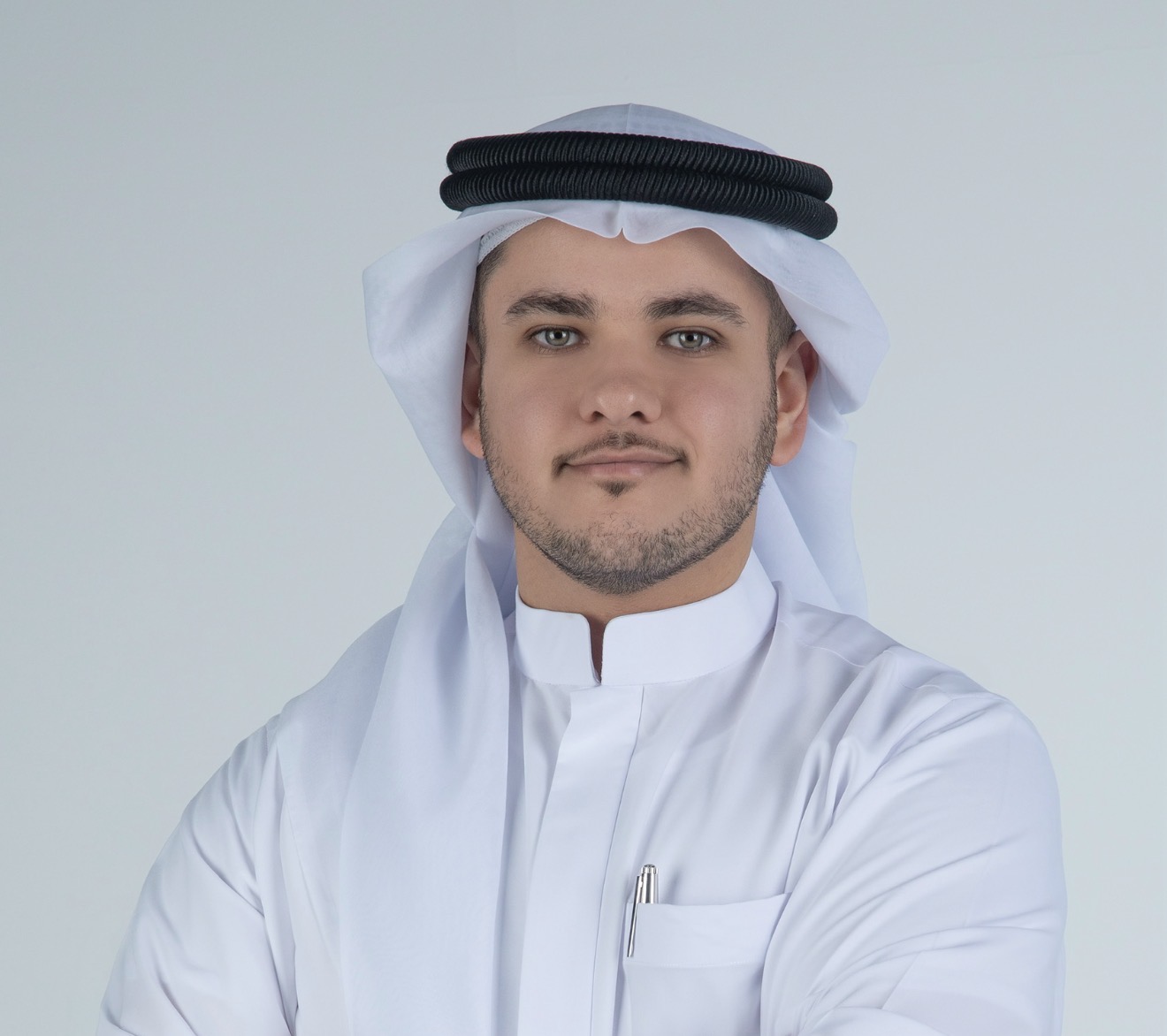
Credit was not Saood Ahli’s original career plan. Trained as an electrical and electronics engineer, he moved into banking after discovering that the skills he enjoyed most – analyzing complex problems, assessing risks and understanding how different factors interact, were equally valuable in credit. “Credit felt like a natural fit,” he says. “It combines financial analysis with commercial judgment and requires you to understand the full story behind a business, not only its financial statements.”
Building a Career Across Banking and Markets
In 2022, he joined Standard Chartered in Dubai as an Associate Relationship Manager, later becoming a Relationship Manager in the Investors and Sponsors team. He covered sovereign wealth funds, institutional investors and private-capital firms across the UAE, Qatar and the wider region.
In January 2026, Saood joined First Abu Dhabi Bank as a Director in Institutional and Corporate Sales International within global markets. He now covers corporate and institutional clients across Asia-Pacific, focusing on diversified industrials, energy and natural resources. “The international aspect makes the role particularly interesting,” he explains. “Every client has different exposures and objectives, so there is rarely one standard solution.”
His starting point is always the client’s business. From there, he considers how foreign exchange, interest rates, commodities, liquidity or investment solutions can support its objectives. “The aim is to give clients greater visibility and certainty when making business decisions,” he says, particularly where market movements could directly affect cash flow and performance.
What Saood enjoys most is working through situations where the answer is not immediately clear. “The challenge is to find a structure that meets the client’s objective while also making sense from the bank’s risk-and-return perspective,” he says. “It is rewarding to see a transaction move from an initial idea, through several challenges, to successful execution.”
A Foundation in Institutional Credit
Saood describes his time in Standard Chartered’s Investors and Sponsors team as his most significant credit experience. Working with sovereign wealth funds and private-capital firms meant dealing with sophisticated structures and requirements tailored to the client, transaction and underlying assets. “My role was to understand the client’s strategy and financing needs, assess the risks and coordinate the right solution across the bank,” he explains.
That required close collaboration with credit, risk, legal, product, syndications and financial-markets teams across fund finance, acquisition and structured finance, commercial real estate, project finance, capital markets and hedging. Saood prepared credit submissions, monitored the portfolio, negotiated terms and managed client relationships.
He says he is proud of earning the opportunity to work with some of the region’s largest institutional investors early in his banking career. “It gave me a strong foundation and taught me the importance of preparation, judgment and consistency,” he reflects.
Credit in a Changing World
For Saood, credit remains compelling because it never stands still. “Interest rates, markets, regulation, geopolitics and technology are constantly changing, so you are always learning,” he says. “Credit is also closely connected to the real economy. It supports companies, investments and major projects, which makes the work feel relevant and practical.”
He encourages those entering the profession to build strong fundamentals early in their careers. Alongside on-the-job experience, Saood completed the Global Credit Certificate, which helped strengthen his understanding of core credit principles and to look beyond the mechanics of analysis. “Learn the fundamentals, but do not treat credit as only a technical exercise,” he advises. “You need to understand why the borrower requires the money, how it will be repaid and what could go wrong. Remain curious and understand the business behind the numbers.”
Judgment in the Age of AI
Analytical ability and attention to detail will remain essential as AI becomes more commonplace, but Saood expects commercial judgment, communication and technology skills to become equally important. “Credit professionals must be able to process a large amount of information, identify what genuinely matters and communicate their conclusions clearly,” he says.
Technology is already making it faster to collect information, analyze trends and monitor portfolios, while AI can support document review, financial analysis and early risk identification. But Saood is clear about its limits: “These tools should support human judgment rather than replace it. Credit decisions are rarely based on data alone, particularly when information is incomplete or circumstances are changing.”
As routine analysis and monitoring become automated, he expects professionals to spend more time on judgment, structuring, scenario analysis and client discussions. “The strongest professionals will understand the traditional fundamentals of credit while also knowing how to use technology and data effectively.”